Find your solution
Find your solution
Find your solution
The answer depends on more than the number of beds or the size of the building. Before deciding whether to install a PTS, hospitals should first look at what they need to transport, how often they transport it, and how much time and effort is spent on manual transport.
In general, larger hospitals with more departments and more complex buildings tend to have greater logistics needs. But bed capacity is not the only factor.
A 150-bed hospital may have a strong need for a PTS if its laboratory, pharmacy and nursing units are spread across different floors or buildings, with frequent transport between them.
Meanwhile, a 300-bed hospital with a compact layout and relatively simple logistics flow may not necessarily benefit from a PTS.
The key is not simply how many beds a hospital has, but how complex its logistics needs are.
Hospitals transport many different types of materials every day, including:
·Laboratory samples
·Medications
·Blood products
·Documents
·Small medical supplies
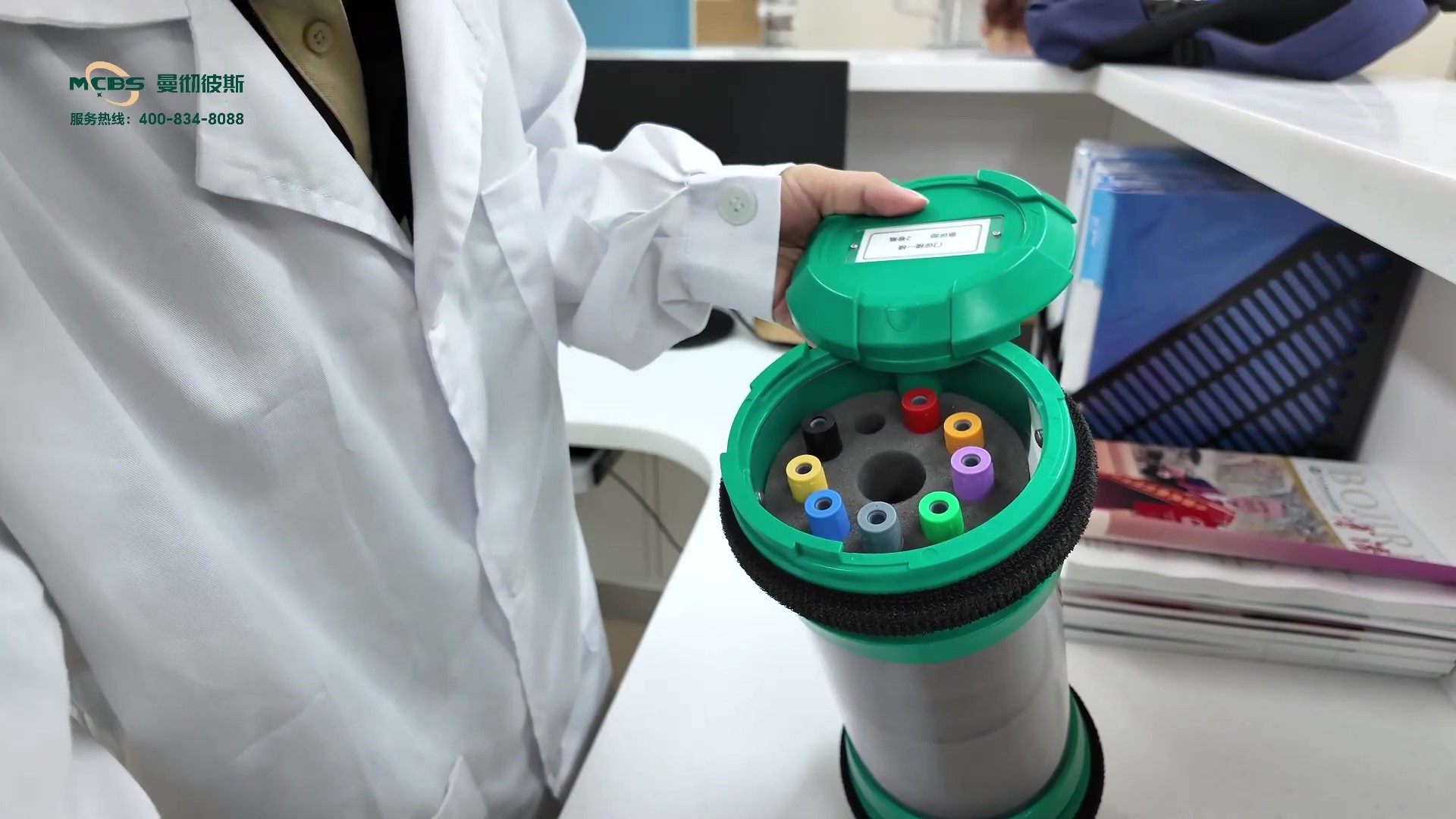
A PTS is particularly suitable for small, frequent and time-sensitive items. For example, if samples need to be transported from nursing units to the laboratory many times a day, a pneumatic tube system can provide fast and automated point-to-point transport. But not every type of hospital logistics is suitable for PTS. Heavy equipment, large supply containers or bulk materials may require other transport solutions.
So instead of asking:
Do we need a pneumatic tube system?
start with:
What does our hospital need to move, and how often does it move?
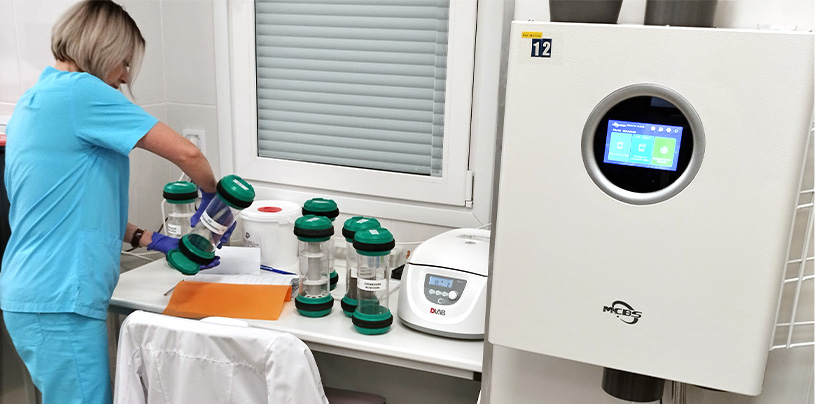
A PTS becomes more valuable when manual transport is already placing a burden on hospital staff. For example:
·Nurses frequently leave their work areas to deliver or collect items.
·Staff spend a significant amount of time transporting samples.
·The pharmacy and laboratory have frequent transport demands.
·Materials need to move between distant departments.
·Staff rely on carts or manual delivery for small items.
·Transport time affects workflow efficiency.
In these situations, the value of a PTS is not simply moving items faster. It can also reduce repetitive transport work and allow hospital staff to spend more time on their core responsibilities.
The building itself also affects whether and how a PTS can be installed.
For a new hospital, the system can be considered during the architectural design stage. For an existing hospital, the solution needs to work with the building that is already there. We typically look at:
·Number of buildings and floors
·Connections between buildings
·Existing shafts
·Available ceiling space
·Equipment room locations
·Distances between departments
·Available routes for the tube network
This is why a PTS should not simply be designed by drawing tubes on a floor plan. The system needs to fit both the hospital's logistics needs and its building conditions.
This is where we need to look beyond PTS.
A PTS is excellent for small, frequent and time-sensitive transport. But hospitals move much more than small items. They may also need to transport:
·Mid-load materials on a continuous basis
·Bulk and heavier materials
·Linen and meals
·Medical supplies
·Waste and soiled linen
Different transport needs require different solutions. This is why it may be more useful to ask:
Does our hospital need automated logistics?
rather than only:
Does our hospital need a pneumatic tube system?
Hospital logistics can be considered across different transport levels:
Small → Mid-load → Bulk
Pneumatic Tube System
For small, frequent and fast transport.
Track Vehicle System
For continuous mid-load transport.
AGV / Bulk Transport
For heavier and larger-volume transport.
Each system addresses a different logistics need.
A PTS can be the right solution when a hospital has frequent, small and time-sensitive transport needs. But hospitals rarely move only one type of material. They may also need to transport mid-load and bulk materials, which require different systems.
So, the question is not simply whether your hospital needs a PTS. It is about finding the right logistics solution for your hospital. The best solution is not necessarily the most comprehensive one, but the one that best fits your hospital’s transport needs, building conditions, priorities and budget.